Walk into a neatly-run assisted living group on a weekday morning and you’ll listen coffee grinders, see train bands draped over chair backs, and catch a whiff of pancakes from the bistro. Residents pass at their possess speed. Some shuffle mutually to a balance class, others linger over the newspaper. Now step into a devoted reminiscence care regional. The calories shifts. The house is quieter and greater controlled, hallways are shorter and loop to come back on themselves, and there are visible cues in all places you glance: a shadow box open air each one room with loved ones images, contrasting paint on the toilet doorway, a basket of folded towels at a table to busy the palms of a person who used to paintings in hospitality.
Those distinctions should not cosmetic. They’re intentional design responses to very numerous wants. Families most of the time jump their search with the phrases assisted dwelling, then observe reminiscence care later whilst a guardian begins to wander, mistake day for evening, or turn out to be agitated via noise and confusion. Even for authorities in senior residing, the road among those units can blur on account that many campuses provide the two. The clearest method to tell them apart is to analyze the environment. Design shapes day by day life.
Two care versions that proportion a roof, not a blueprint
Assisted dwelling grew out of a wish to update institutional nursing houses with areas that believe like homestead. The promise is independence with a defense internet. Residents have deepest residences, their personal furnishings, and keep watch over over their routines. Staff deliver lend a hand with bathing, dressing, treatment, and ingredients, and they coordinate transportation and movements. The ecosystem supports preference and variety. The eating room would have three menus, the courtyard a tomato patch and chess tables, the corridors lengthy satisfactory to make brisk walkers happy.
Memory care built later, out of not easy classes. People residing with Alzheimer’s or other dementias do now not benefit from the identical buffet of treatments. Too a great deal selection can create anxiousness. Long hallways invite elopement. Loud dining rooms trigger sensory overload that ends in refusal to devour. Designers and operators started out to invite a one-of-a-kind set of questions: what allows anyone with quick-term memory loss feel grounded, and what reduces risk without stripping dignity?
That query modifications every part from the color of the carpet to the sightlines from the nurse station.
Wayfinding that works with the mind, no longer against it
A man or woman in assisted residing is based on generic procedures to navigate: read the room variety, inspect the elevator signal, flip at the painting of a sailboat. If she will get misplaced, she will be able to ask at the front table. In memory care, those tactics fray. Reading comprehension can fluctuate via the hour. Abstract artwork confuses other than publications.
The outfitted ambiance compensates. You’ll see short, looping corridors that all the time return residents to a time-honored area. The purpose is to cast off lifeless ends and long straight runs that believe like tunnels. Room entrances stand out with excessive-contrast paint on the doorframe, corresponding to a abode’s the front door other than an extra anonymous panel. Next to each one door, a reminiscence box holds a few tactile items and images from the resident’s life: a miniature hearth truck for a retired firefighter, cloth swatches for a seamstress, a photograph from a wedding day. Those cues do greater than help anyone find a room. They spark micro-moments of attention that calm the anxious components.
Signage in reminiscence care is dependent on icons and undeniable words, now not cursive fonts. Think of a toilet door with a undemanding bathroom image and the word “Bathroom” under in extensive print, placed at eye stage. I once watched a resident in light-level dementia walk previous two doors classified “Restroom” with out a glance, then march expectantly into the 1/3 when her daughter taped a image of a sink next to the take care of. Validation beats preparation.
In assisted dwelling, wayfinding goals for vogue and clarity. Residents can control a bigger campus footprint, assorted wings, and elevators sprinkled during. They receive advantages from seating nodes less than windows where associates obviously quit to chat. In memory care, those resting spots nonetheless exist, but they are placed at predictable periods and ceaselessly consist of calming props: a folded duvet to stroke, a basket of plush scarves.
Safety by using design, no longer lockdown
People pay attention that memory care is “secure” and graphic bars on windows. The reality is more nuanced. The intention is to let flow inside a included perimeter and to make protection almost invisible. After a decade of walking these spaces, I’ve spotted that the handiest memory care communities are nonetheless, within the literal experience. No slamming doorways, no harsh alarms. Doors in general use delayed egress hardware that signals team if pushed yet presents time to redirect with a pleasant face other than a blaring siren. Outdoor courtyards sit down solely enclosed by the building or a discreet fence, with jogging paths in a easy loop and gates that appear more like lawn trellises than an go out.
Floors in reminiscence care have matte finishes to cut back glare, which other people with dementia can interpret as moist or asymmetric. Patterns are small-scale and occasional assessment. A prime-comparison border, fairly one who looks as if a black mat, shall be perceived as a gap and intent a person to freeze. You gain knowledge of these small print by observing citizens cease of their tracks at a ornamental threshold. In assisted dwelling, floor will probably be greater adventurous. Designers use area rugs to area seating, and richer coloration palettes create model. Slip resistance matters worldwide, but the visible psychology is less fraught.
Kitchens in memory care are a totally different story as nicely. You may perhaps see a residential-kind kitchen used for supervised actions like baking cookies, however the stoves lock. Secure medicine rooms cover at the back of team-simply doorways. Laundry apparatus, if out there to residents, involves projects like folding and sorting other than operation of machines. In assisted dwelling, you’ll to find extra autonomy. Many residences have kitchenettes with microwaves, and a few citizens insist on cooking breakfast on a transportable griddle. Staff computer screen, however independence is the bias.
Apartments that act like nests
Assisted dwelling flats characteristically mimic small condos. One-bedroom sets with a residing room, bed room, kitchenette, and a private bath offer a experience of established existence. Closets can maintain greater than a season’s value of clothes. The the front door shall be about a turns down a hall from the elevator, and that’s first-rate. Residents set up fixtures around their behavior: a examining chair by the window, a TV at just the right angle for sporting activities.
Memory care apartments skew smaller and easier. Less space ability fewer possibilities to lose goods and less vitality spent transferring from room to room. Private loos are sized for team assistance, with roll-in showers, built-in benches, and take hold of bars positioned in which an individual evidently reaches. The bathroom contrasts with the ground and wall color, so it stands proud. Lighting is brilliant yet comfortable, mainly with circadian tuning. You received’t see full https://rylangwlv502.wpsuo.com/from-independence-to-support-how-assisted-living-and-in-home-care-address-memory-care-needs kitchens. Hotplates and ovens invite possibility for an individual who forgets they are on. Storage is shallow and organized. A resident with dementia can disregard that items exist if they may be out of sight, a phenomenon which is called agnosia. Open shelving or mesh-the front cupboards let a person to experiment visually and find a sweater or a favourite mug devoid of rummaging.
The differences maintain on the door. In memory care, group can override locks to go into in the course of a fall hazard position. Doors may additionally vehicle-with regards to maintain a relaxed sound envelope. In assisted dwelling, citizens in the main have standard keyed or fobbed entries, routinely even deadbolts, and team knock and wait like travelers.
Dining that respects sensory changes
Food anchors the day, pretty as different exercises fade. The noise, lighting fixtures, and tempo of eating areas can make or smash a network.
Assisted living eating rooms strive for sort. You would possibly have breakfast served from 7 to nine:30, lunch with 3 entrees, and a soup and salad bar. Tables for two and six mix social vigour. Staff take orders like a eating place, and residents linger. Bright chatter is element of the allure.
Memory care eating is quieter and greater established. Smaller rooms minimize reverberation. Table surfaces assessment with plates, so the nutrients pops visually. White mashed potatoes on a white plate can vanish for human being with visible processing ameliorations. Adaptive utensils seem commonly used yet function moderate curves or greater handles. Staff plate ingredients in sensible, separated presentations to minimize decision fatigue. Finger foods get greater interest than you could assume, not on the grounds that residents are taken care of like toddlers, but because many employees with dementia lose trust with utensils. A slider, baked chicken strips, and roasted veggies cut into hand-friendly portions let a person to eat independently longer.
Time things too. Some residents are hungriest at 10 a.m. and four p.m. Appetite can dip at midday. The more effective reminiscence care teams run snack carts with protein-prosperous selections and tailor mealtimes to the resident’s circadian rhythm. I as soon as labored with a gentleman who have been a night shift mechanic. We stopped fighting his eleven p.m. hunger and as an alternative wrapped a hot breakfast burrito every single night time along with his well-known salsa. Behavior complications dropped by using 0.5 inside a week.
Activity programming that builds on procedural memory
Assisted residing calendars are eclectic: yoga at nine, a lecture on nearby records at two, a bus day out to the farmer’s market on Saturday. Residents determine what they like and bypass the leisure.
In reminiscence care, the day is paced greater deliberately and leans on procedural reminiscence, the sort that persists whilst quick-term reminiscence falters. Folding hot towels, sorting buttons by color, watering herbs, or sanding a block of wood supply function and soothing repetition. Music indicates up worldwide, and with incredible intent. Familiar songs gentle up mind regions that stay resilient in dementia. A resident who can’t bear in mind breakfast will sing every verse of a Johnny Cash song note-ideal. Activities are less approximately novelty and more about ritual. The Thursday baking institution will become a lighthouse inside the week, besides the fact that citizens can’t identify the day.
Staffing follows healthy. Assisted living task directors believe extensively and organize a crowd. Memory care existence enrichment calls for close statement of individuals and regular adjustment. A strong memory care application looks quiet on paper but feels busy in individual, with rather a lot of micro-engagement: a five-minute hand rub down here, a lap around the courtyard there.
Staffing ratios and preparation that mirror complexity
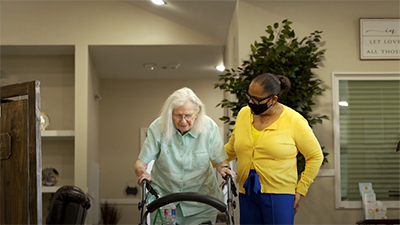
One of the such a lot really good transformations is invisible on a journey sheet: staffing. Assisted dwelling would possibly run with a ratio that assumes citizens deal with portions in their day independently. Overnight group may perhaps cowl assorted flooring, responding as obligatory. In reminiscence care, greater arms are required, enormously for the duration of “sundowning” hours in past due afternoon. Teams are educated in de-escalation, validation, and conversation methods that prioritize emotion over good judgment. Instead of correcting, they enroll. If a resident anxiously insists she will have to catch a bus to work, a educated caregiver may be offering to help % a lunch, then suggest they sit down at the same time when the bus warms up. Ten mins later, while the anxiousness has passed, the bus will become a reminiscence and the day can transfer on.
Medication leadership differs too. Assisted residing residents often self-administer targeted meds with oversight. In memory care, personnel frequently cue or administer so much medicinal drugs to ascertain defense and compliance. That shifts staffing patterns toward more medication technicians during top occasions.
The function of science is supportive, not intrusive
Technology can reinforce either settings, but it have to recede into the heritage. Wander control in memory care may possibly use discreet ankle bands or cameras in common locations monitored devoid of turning the distance right into a surveillance region. Motion sensors in bathrooms can cue workers if individual is at risk of falls, and mattress sensors can alert if a resident who more commonly sleeps soundly has been up distinctive instances, signaling a urinary tract irritation or ache. In assisted residing, wearable pendants and shrewd dwelling positive factors like voice assistants assist independence. Residents can say “turn on the lighting” or “name the the front desk,” and the equipment does the relaxation. The guiding concept is possibility: technology will have to under no circumstances corral residents right into a unmarried means of dwelling.
How respite care matches into the picture
Families mostly stumble on the ameliorations among assisted dwelling and memory care by means of respite care. A respite live is a short-term, offered continue to be that offers caregivers a destroy or shall we someone “attempt pressure” a network after a hospital discharge or all through a family members vacation. In assisted living, respite matches folks that can stick to guidelines, savor community foods, and transfer competently devoid of steady cueing. Think of a senior improving from a hip alternative who wishes guide with bathing and treatment for a month.
In reminiscence care, respite care looks distinct. The intake job entails a detailed life story and habit inventory. Staff be taught that Mr. Alvarez under no circumstances wears lengthy sleeves due to the fact that he grew up in Oaxaca, that Mrs. Chen liquids heat water not cold, that Mr. Patel prefers cumin over cinnamon in oatmeal. Those small information topic. The first 48 hours is also bumpy for someone who doesn’t apprehend the house and wonders the place the own family went. Memory care groups plan for that with one-to-one support, wide-spread music on the all set, and a simplified surroundings. Success is measured via comfort and engagement, no longer by using the number of outings.
Respite may make clear long-term demands. If wandering or agitation turns into a day-to-day safe practices hazard all over a respite in assisted living, it’s a stable signal that memory care is the exact next step. Conversely, someone with mild cognitive impairment, still orientated and social, may also thrive all over an assisted residing respite, highlighting a window of time while assisted living is most excellent and helpful.
Family life in the design
Families play otherwise in each area due to the fact the environments invite other styles of visits. In assisted residing, families repeatedly meet within the residence, convey board games, walk to the network bistro, or take a ride off campus. In reminiscence care, visits may fit choicest in natural components curated to spark reminiscing: a small “front porch” vignette with a rocking chair and a reveal door, or a workshop nook with protected hand resources and a pegboard. Children do effectively with common, tactile actions, like striking clothespins in a tin or “helping” water flowers. Grandchildren who be aware of a way to comply with the resident’s lead, in preference to quiz for proof, discover it easier to connect. The house cues these styles via what it affords.
The ecosystem also helps family teaching. I’ve stood with daughters who sooner or later understood their father’s nerve-racking pacing when they observed the visual drift of the memory care hallway with its loop and the manner team of workers calmly matched his steps. In assisted residing, a son learns the weekly rhythm of his mother’s bridge group and plans his visits earlier. The homes supply scripts for fulfillment with no a observe of coaching.
Design main points that subject greater than a chandelier
A few micro-options regularly separate strong reminiscence care from frequent senior housing:
- Contrast where it counts: lavatory seats, seize bars, dishware, doorframes, and light switches stand out opposed to their backgrounds to guide the eyes and brain work jointly. Lighting that respects the clock: brilliant, blue-enriched gentle inside the morning to cue wakefulness and heat, curb faded in the night to minimize agitation. Handrails at the right top: steady rails down corridors support mobility and rhythmic strolling, with warm wood that looks like a domicile handrail, not a medical institution bar. Shadow bins and personalized entry spaces: these anchor identity and help wayfinding, turning a bedroom door into a entrance door. Purposeful props: baskets of laundry, software caddies with riskless units, doll medical care for those who respond, and track players preloaded with trendy playlists.
Each of those materials appears modest, yet jointly they ease on a daily basis dwelling. In assisted living, you are able to still see comparison and really good lights, however there’s extra room for flourish: chandeliers over the dining room, artwork that invites discussion instead of cueing motion, and architectural drama like a two-tale foyer. In reminiscence care, drama explanations disorientation. Calm is the intention.
Cost, importance, and the quiet economics of attention
Families mostly ask why memory care rates more than assisted living considering the fact that the residences is additionally smaller. The solution lies in labor, practising, and programming depth. The setting is one piece, yet staffing ratios, really good foodstuff, and extra safety systems upload to running expenditures. A traditional reminiscence care region has a smaller census than an assisted living floor, yet it consists of identical or better body of workers phases throughout all shifts. Attention is steeply-priced, and memory care is recognition-dense via layout.
Value is most interesting measured by using influence that topic to the human being. Fewer falls, more advantageous sleep, less agitation, and more moments of connection sound smooth until you’ve lived the various. I’ve watched a resident pass from a widely used assisted living flooring the place he called his daughter ten occasions an afternoon in misery to a memory care regional where he stopped wearing his smartphone on account that he lastly felt anchored. The built environment did that, which include knowledgeable folk and considerate exercises.
When assisted dwelling remains to be the properly fit
It’s tempting to jump instantly to reminiscence care at the primary sign of forgetfulness. That can backfire. For anyone in early-level dementia who nevertheless drives, cooks, and enjoys dialog, assisted residing would possibly supply precisely the true stability of improve and autonomy. The condo appears like homestead, the social stimulation continues the thoughts active, and team of workers can display changes through the years. The key's to assess candidly: is there a sample of leaving the range on, getting misplaced outdoors, or mismanaging drugs in a approach that disadvantages hurt? Is there night wandering that scares the relatives? Does sensory overload derail foodstuff? If certain to a number of, reminiscence care merits a glance. If not, assisted residing with stable oversight, in all likelihood paired with brief respite remains in memory care to construct familiarity, can stretch the window of independence.
Evaluating groups by an environmental lens
On tours, ask to take a seat, no longer simply walk. The experience of a place finds itself if you stop and watch. In assisted residing, do citizens investigate ease charting their very own day? Is there preference with out chaos? In memory care, does the space breathe? Are there places to walk devoid of encountering hindrances? How do personnel reply to a resident who repeats a query? Tone issues as tons as words.
Look for symptoms that the ecosystem has been demonstrated with the aid of genuine life. Scuffed baseboards at handrail height suggest of us are the usage of the helps. A smartly-thumbed process basket skill it's far more than a prop. Plates that don’t in shape a catalog photo possibly there when you consider that residents eat better from them. Ask how customarily households go to and where they prefer to sit down. Visit at 4 p.m., a conventional power level for agitation called sundowning, and spot how the space and employees take up the electricity. If the excursion in basic terms occurs at 10 a.m. on a Tuesday, you’re seeing the optimum foot forward.
The human layer on desirable of the blueprint
Design sets the stage, however humans convey it to lifestyles. A reminiscence care workforce can soothe a stormy afternoon in methods partitions never will, and a hot assisted living concierge can turn a cavernous foyer right into a regularly occurring dwelling room. Still, while the atmosphere fights the mind, every body traces. When it helps the brain, the body of workers’s capabilities shine and citizens’ strengths instruct via. I prevent a mental picture of a memory care lawn from about a years ago. The route wound gently beneath a pergola heavy with wisteria. A man who were a mail carrier paced that loop for twenty mins on daily basis like a path he once knew with the aid of middle. No one told him to workout. The space just invited it, and his physique remembered how.
That is the quiet genius of precise layout in senior residing. Assisted dwelling environments invite autonomy and number. Memory care environments invite familiarity and calm. Both intention for dignity, simply by means of unique routes. Families opting for among them don’t want to become architects, yet they do profit from browsing closely at how a group’s areas are expecting the more or less days their enjoyed one will have. When you’ve considered sufficient of these areas, you learn to confidence the rooms that make your shoulders drop and your breathing slow. If the distance puts you comfy, this may most likely do the comparable for the individual you adore.